Sports have been a constant part of my life. From playing basketball and squash to experimenting with training routines, I have always been interested in finding ways to get better. When you grow up competing and later spend time around serious athletes in both Westminster and TCU, you start to realize how much the sports world has changed. It is not just about natural talent or hard work anymore. Science and technology now play a major role in everything from injury prevention to overall performance.
What fascinates me most is how quickly things are changing. New tools, new data, and new training methods appear every year. Some of them seem simple at first, but once you start using them, you realize how big the impact can be. Innovation is reshaping athletics for both professionals and regular players like me. It is creating a future where every athlete has the chance to perform at a higher level.
The Rise of Wearable Technology
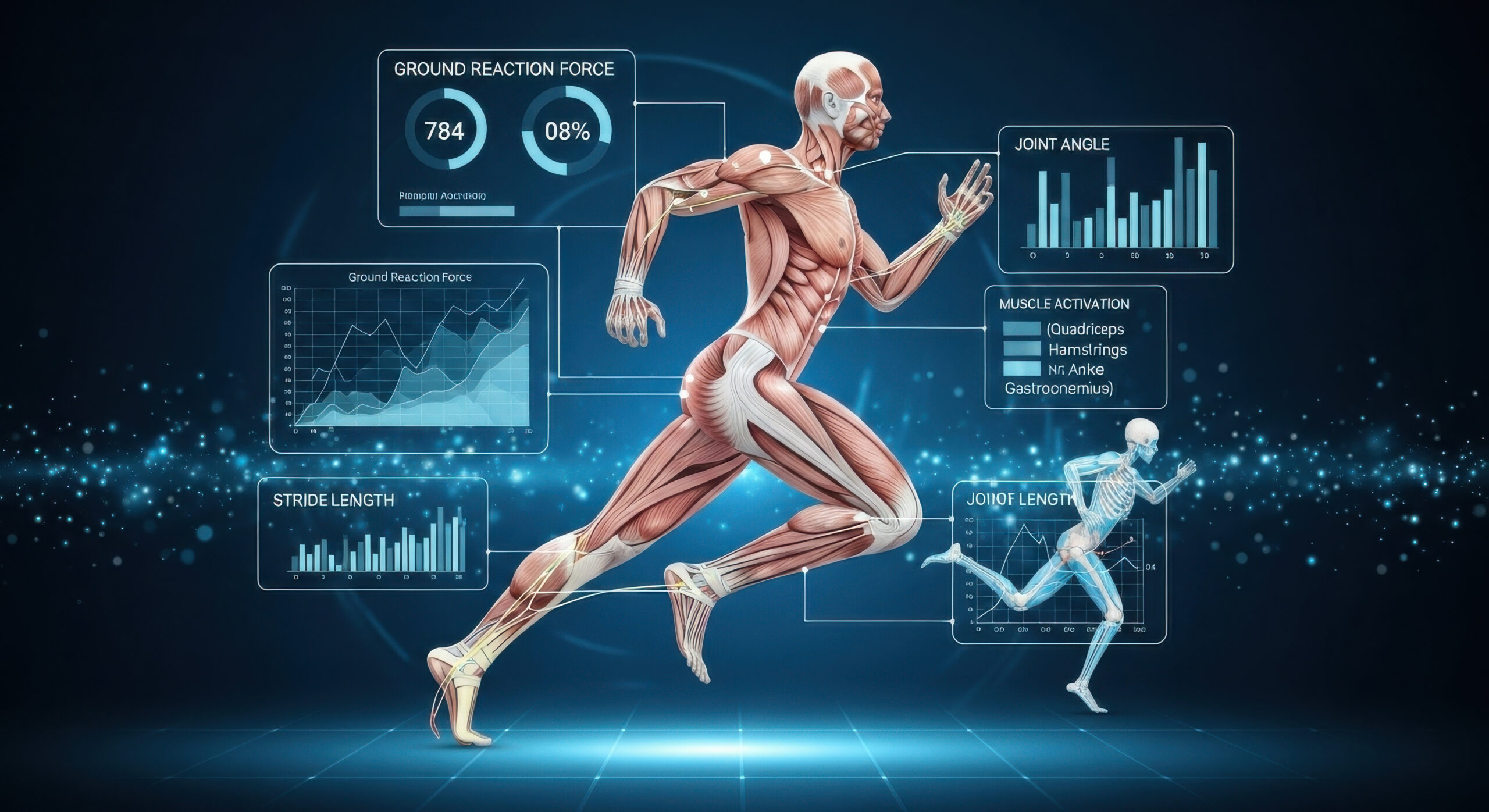
Wearable tech is probably the biggest shift I have noticed in recent years. Watches and sensors are everywhere now. Devices track heart rate, calories, recovery time, sleep quality, body temperature, and even stress levels. When I was younger, sports training relied mostly on how you felt and what a coach observed. Now we have real data that shows exactly what is happening in our bodies.
I use this tech during workouts and it has made a big difference. It is one thing to think you slept well and another to see the numbers. It is one thing to feel tired during a game and another to see that your recovery score dipped. Wearable devices help identify patterns that we might miss on our own. They give athletes a chance to adjust their training, rest more when needed, or push harder when the numbers say they can handle it.
Professional teams take it further with sensors inside jerseys, shoes, and equipment. They track speed, force, and movement in real time. That level of detail helps trainers prevent injuries and improve performance. It also helps coaches make smarter decisions about when to rest players.
Smarter Training Through Data
Data analytics is another major part of modern sports science. It influences how teams practice, how they game plan, and how they evaluate players. At TCU I have seen how coaches use film and statistical breakdowns to guide training sessions. Instead of guessing what went wrong, players get clear evidence.
This approach is spreading across all levels of sports. Basketball players use shot tracking tools to understand their shooting habits. Tennis players use video breakdowns to study footwork. Even squash players track movement patterns and swing paths. The goal is simple. Train smarter, not just harder.
What I like most about this shift is that it helps players reach their full potential. Growing up in competitive sports, I saw many talented players who did not improve because they did not have the right information. Technology helps close that gap. It gives every athlete a chance to learn in a more targeted way.
Injury Prevention and Recovery
Injury prevention is one of the most important areas where science is making a difference. Anyone who has played sports seriously knows how frustrating injuries can be. A sprain or strain can set you back for weeks or even months. Sports science works to reduce these setbacks.
New training tools track muscle fatigue and joint stress. Physical therapists use advanced machines to detect weak areas in the body. Recovery programs now include cryotherapy chambers, compression boots, and red light therapy. I have tried a few of these tools and the difference is noticeable. You recover faster, feel stronger, and limit the risk of re injury.
Even something as simple as a foam roller has been redesigned with better materials and vibration technology. Recovery used to be the least interesting part of training. Now it is one of the most advanced.
The Future of Performance Technology
Looking ahead, I think the next wave of innovation will involve artificial intelligence and virtual training environments. These tools can help athletes visualize situations, improve decision making, and simulate game like pressure. Imagine stepping into a virtual court where you can practice against different defensive styles. Or imagine an AI system that tracks how you move on the court and suggests adjustments to your technique.
There are also new developments in nutrition science. Personalized nutrition plans based on DNA, metabolism, and hormone levels are becoming more common. This kind of precision nutrition helps athletes fuel their bodies in the most efficient way possible. When you combine that with advanced strength programs, the result is a new level of performance potential.
What Innovation Means for Young Athletes
As someone who enjoys sports and tries to improve continuously, I see technology as an advantage rather than a replacement for hard work. Tools can guide you, but they cannot train for you. They cannot build your discipline or your mindset. What they can do is help you make better decisions and understand your body more clearly.
I also think these innovations make sports more enjoyable. There is something motivating about seeing your progress tracked on a screen or hitting a personal record that was measured accurately. It turns training into a challenge that feels both competitive and personal.
Technology also helps level the playing field. A kid in a small town can use the same tools as a professional athlete. That kind of access creates opportunities for people who might not have had them before.
Sports science and technology are shaping the future of athletics. They help athletes perform better, stay healthier, and train with purpose. From wearables to data analytics to advanced recovery methods, innovation is everywhere. As someone who grew up playing sports and continues to stay active at TCU, I find this evolution exciting.
The next generation of athletes will have tools that were impossible just a few years ago. The challenge will be learning how to use them wisely and staying focused on the core values that make sports meaningful. Hard work, discipline, and passion still matter most, but technology makes it possible to reach new heights.